Projects built for more than emission reduction

Supporting measurable climate and sustainability impact

The Sustainable Development Goals help companies connect environmental and social impact with real business decisions.

Many organizations reference the SDGs in reports but fail to integrate them into operations. Mitigia helps turn sustainability goals into measurable projects, procurement choices, and verified outcomes across supply chains.


SDGsWhat are the Sustainable Development Goals?

The Sustainable Development Goals (SDGs) are 17 interconnected global goals adopted by the United Nations to address the world's most pressing environmental, economic and social challanges by 2030.

Companies use them as a framework to prioritize sustainability topics, communicate commitments, and align strategy with stakeholder expectations. When used properly, they help focus resources on measurable impact areas.

How do companies move from SDG messaging to SDG impact?


Companies move from messaging to impact by linking each priority goal to specific actions, budgets, KPIs and ownership.

placeholder_200x200

Without execution systems,
SDGs remain branding.

Our SDG commitmentReal impacts, lasting value

Projects developed with Mitigia contribute to climate impact and sustainable development goals through measurable, long-term outcomes. 

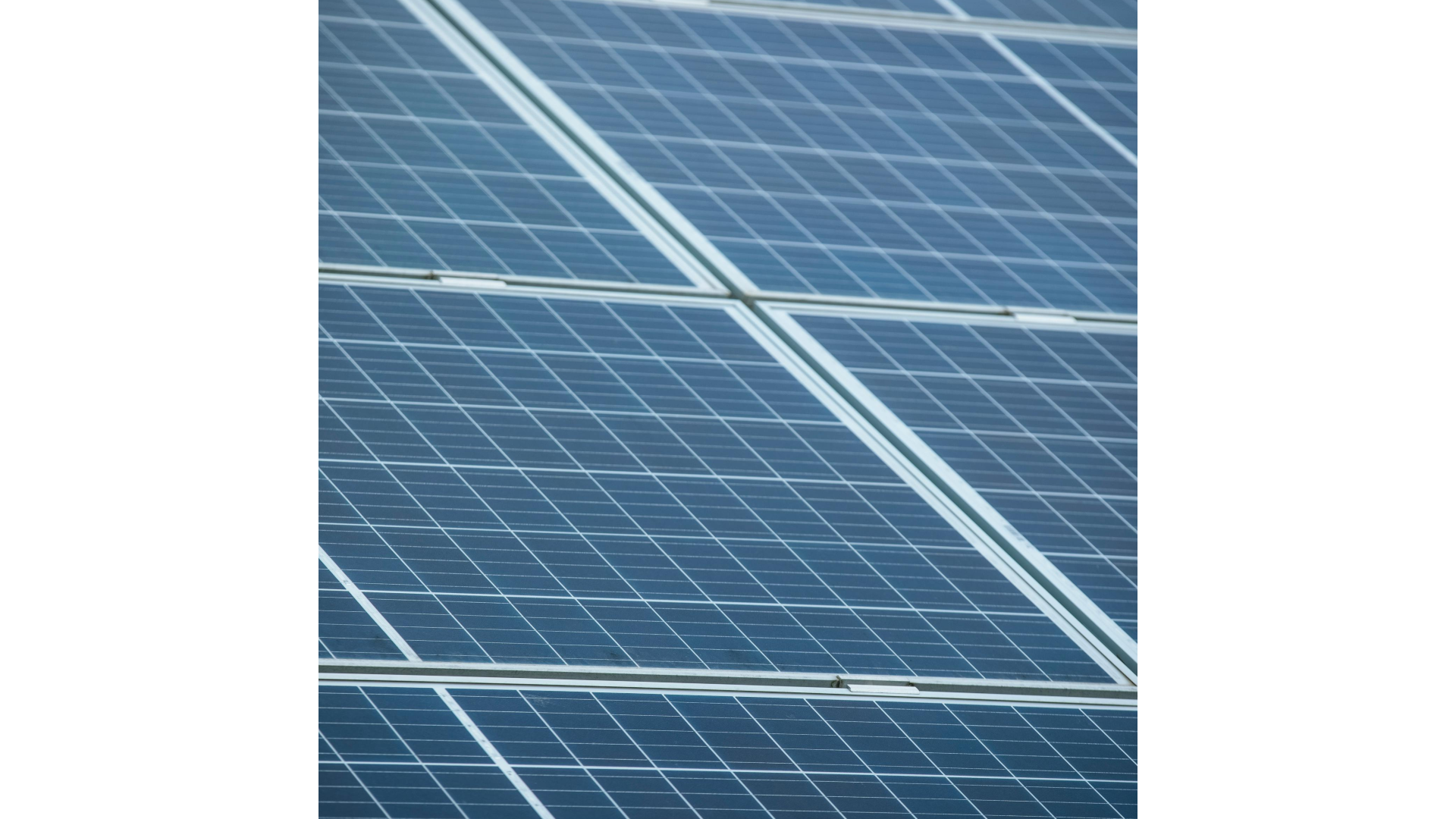
Close-up of solar panels under a blue sky
Affordable and clean energy

Projects supporting the transition toward cleaner and more efficient energy systems.

Robotic hand touching a digital network interface with a futuristic background
Industry, innovation and infrastucture

Projects connected to resilient infrastructure, technological innovation and long-term industrial transformation.

Colorful recycling bins lined up side by side
Responsible consumption and production

Projects promoting resource efficiency, circularity and more sustainable operational practices. 

Wind turbines against a clear blue sky
Climate action

Projects contributing to emissions reduction, climate resilience and long-term environmental impact. 

Why SDG Alignment Creates Value

Projects aligned with the SDGs generate more than environmental impact. They stregthen resilience, build trust and create long-term value for organizations and society.

Financial growth icon with a dollar symbol and leaves inside a circular outline

For Green Investors

SDG-aligned projects provide a clear framework
to measure long-term impact and risk.

  • Lower risk, future-oriented investments
  • Transparency and measurable outcomes
  • Alignment with global ESG and climate goals
  • Stronger financial and sustainability performance

For Carbon Credit Buyers

SDG alignment adds credibility, transparency and additional environmental and social value.

  • Better quality and interity of carbon projects
  • Broader impact beyond emissions reduction
  • Stronger sustainability narraties
  • Higher stakeholder confidence
Carbon emissions reduction icon with a CO₂ cloud and downward arrow inside a circular outline

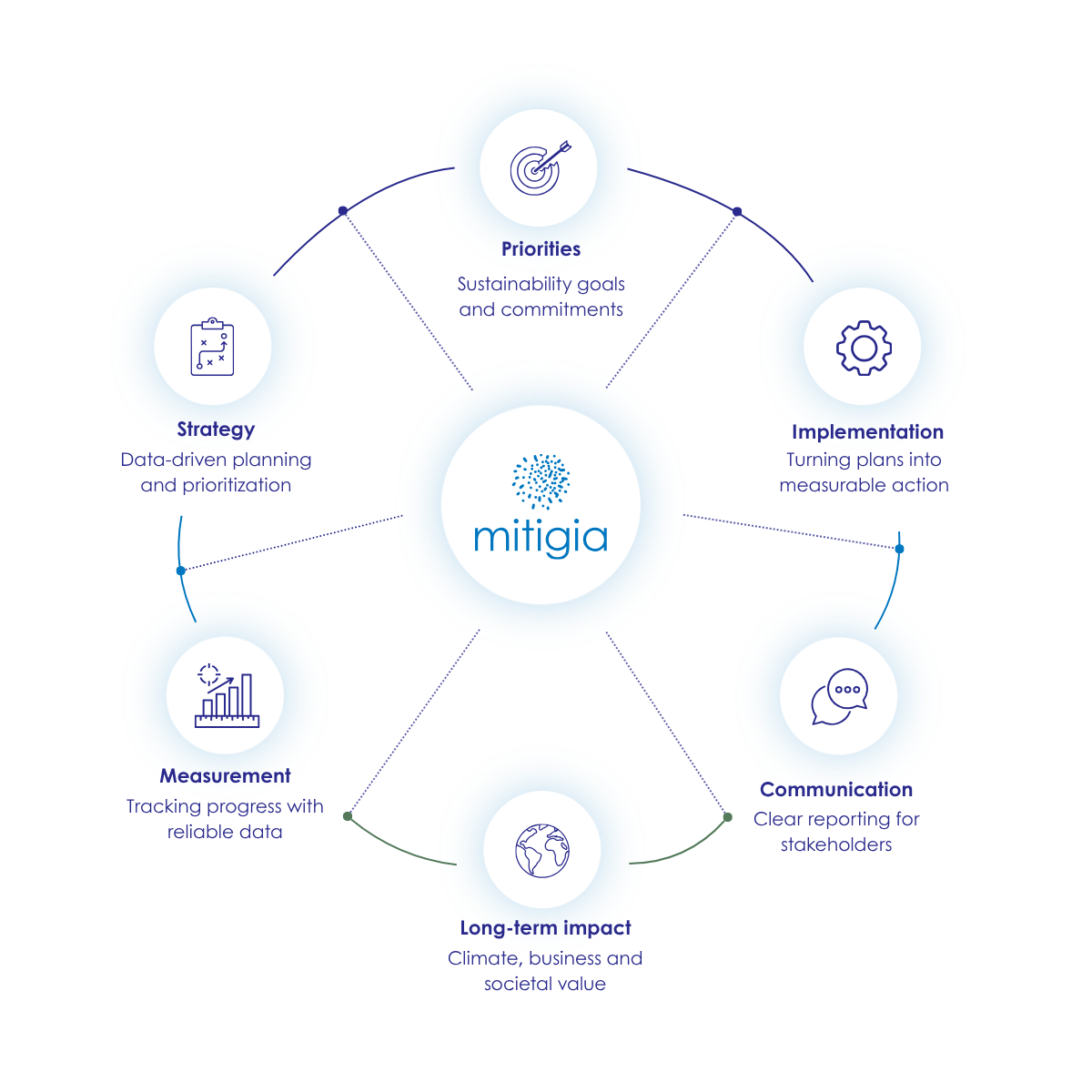
How We Create Impact - Our Approach

Process infographic showing six sustainability project phases: Understand, Design, Develop, Implement, Measure, and Create Impact
Leaf icon inside a circular outline symbolizing sustainability and environmental responsibility

Let's build a sustainable future together.

Though innovation, collaboration and purpose, we turn goals into real-world impact.

Common questions
Answer to key questions

What do SDGs actually mean for companies?

The SDGs help companies connect sustainability goals to measurable business actions, operational priorities and long-term impact areas.

How do companies move from SDG messaging to measurable impact?

Companies move from high-level sustainability commitments to measurable impact by linking SDGs to concrete actions, budgets, KPIs and operational ownership.


How do carbon projects support SDG goals?

Carbon projects can support SDGs by creating measurable environmental and operational outcomes, such as renewable energy adoption, circular resource use or climate resilience.

Why is execution so important in sustainability strategies?

Without implementation systems, sustainability goals often remain high-level commitments without measurable outcomes or long-term accountability.  

Can SDGs create business value?

When linked to operational strategy, SDGs can support long-term resilience, climate positioning, stakeholder credibility and future-focused investment priorities.

How do SDGs connect to climate action?

Many climate initiatives directly contribute to broader sustainable development goals through emissions reduction, infrastructure development, circularity and ecosystem support. 

Why do some sustainability strategies fail to deliver impact?

Many strategies focus on reporting and commitments without connecting goals to execution, ownership and measurable operational change. 

What makes sustainability goals measurable?

Clear actions, defined KPIs, accountability structures and long-term implementation frameworks help turn sustainability priorities into measurable outcomes.