
REGULATORY FRAMEWORK

What is the EU's CRCF Regulation?

The European Union’s Carbon Removal and Carbon Farming (CRCF) framework is a regulatory initiative aimed at establishing a common European approach for certifying carbon removal and carbon farming activities. Its primary objective is to introduce consistent definitions, methodologies, and quality requirements for how these activities are measured, monitored, and verified across different sectors and geographies in Europe.

The CRCF does not create a separate carbon market different from the Voluntary Carbon Market, nor does it regulate the trading of carbon credits. Instead, it focuses on certification, providing a structured set of rules and unified data sets for emission factors, under which carbon removal outcomes can be recognized within a unified European framework.

The CRCF mainly leans on the brand new GHG Protocol on Land Use and Removals Standard to be effectively used from 2027 onwards. By introducing more rigorous and standardized requirements, the CRCF contributes to improving transparency, comparability, and credibility of carbon removal and carbon farming activities. It reflects a broader shift in climate policy, where increasing emphasis is placed on measurable, durable, and verifiable climate impact.

By defining which activities fall within its scope, the CRCF provides a structured reference point for project development and certification. It guides the market toward solutions that not only generate measurable climate impact, but also align with evolving expectations around permanence, transparency, and environmental integrity.

EU-flags

Exploring how carbon markets could fit your strategy?

Speak with our team to understand where to start.

CARBON FARMING

What carbon farming activities do fit CRCF?

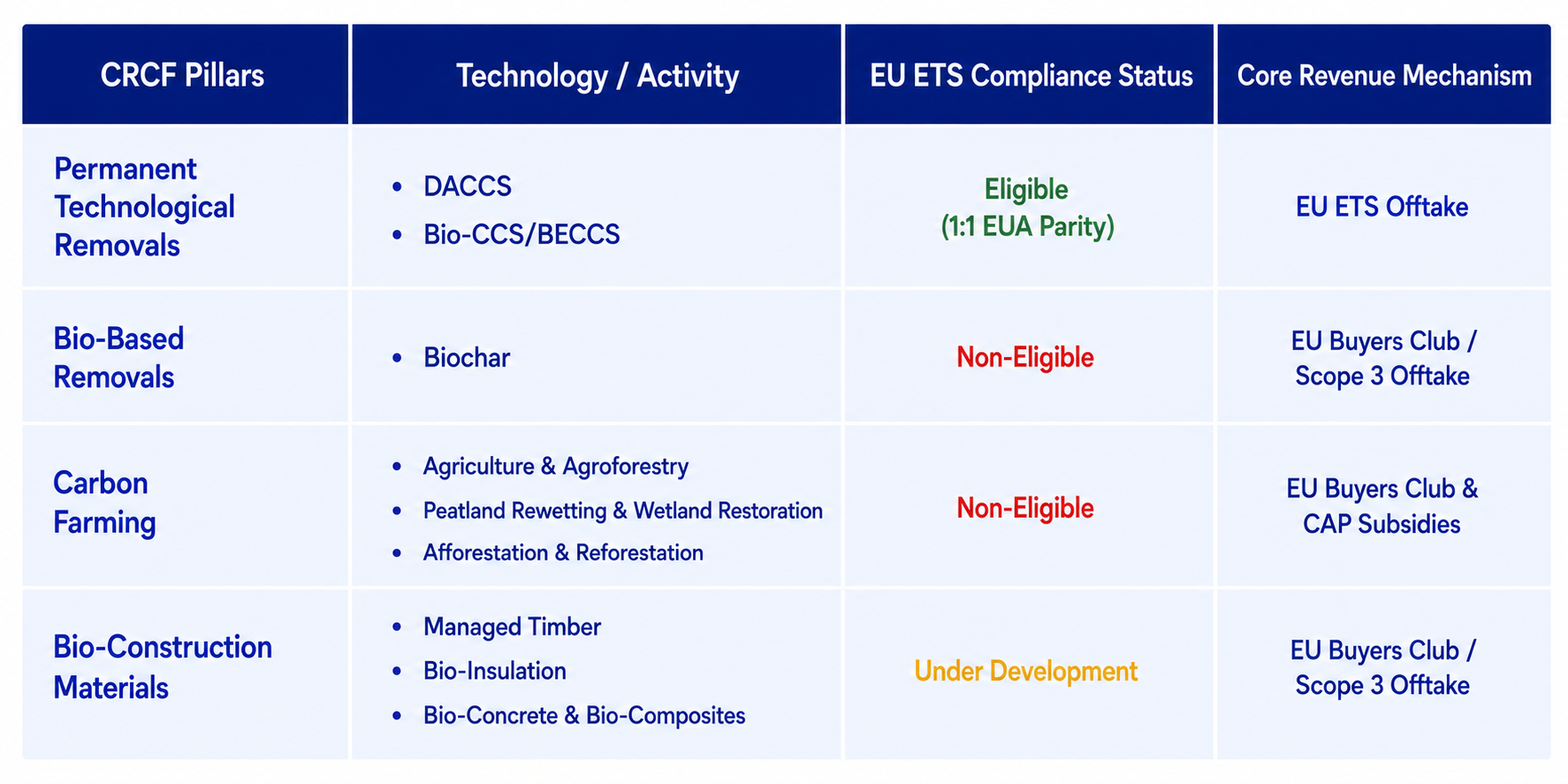
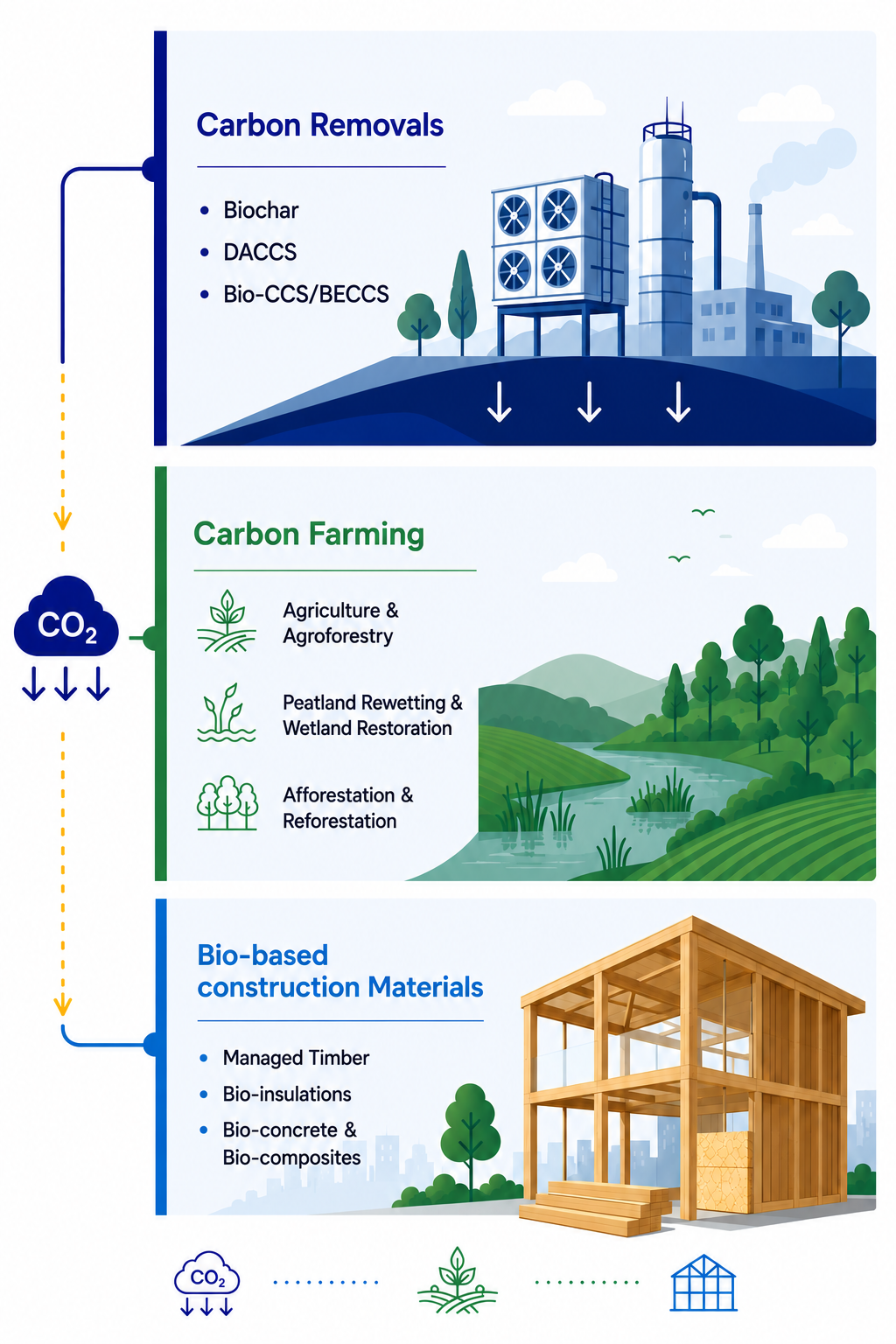
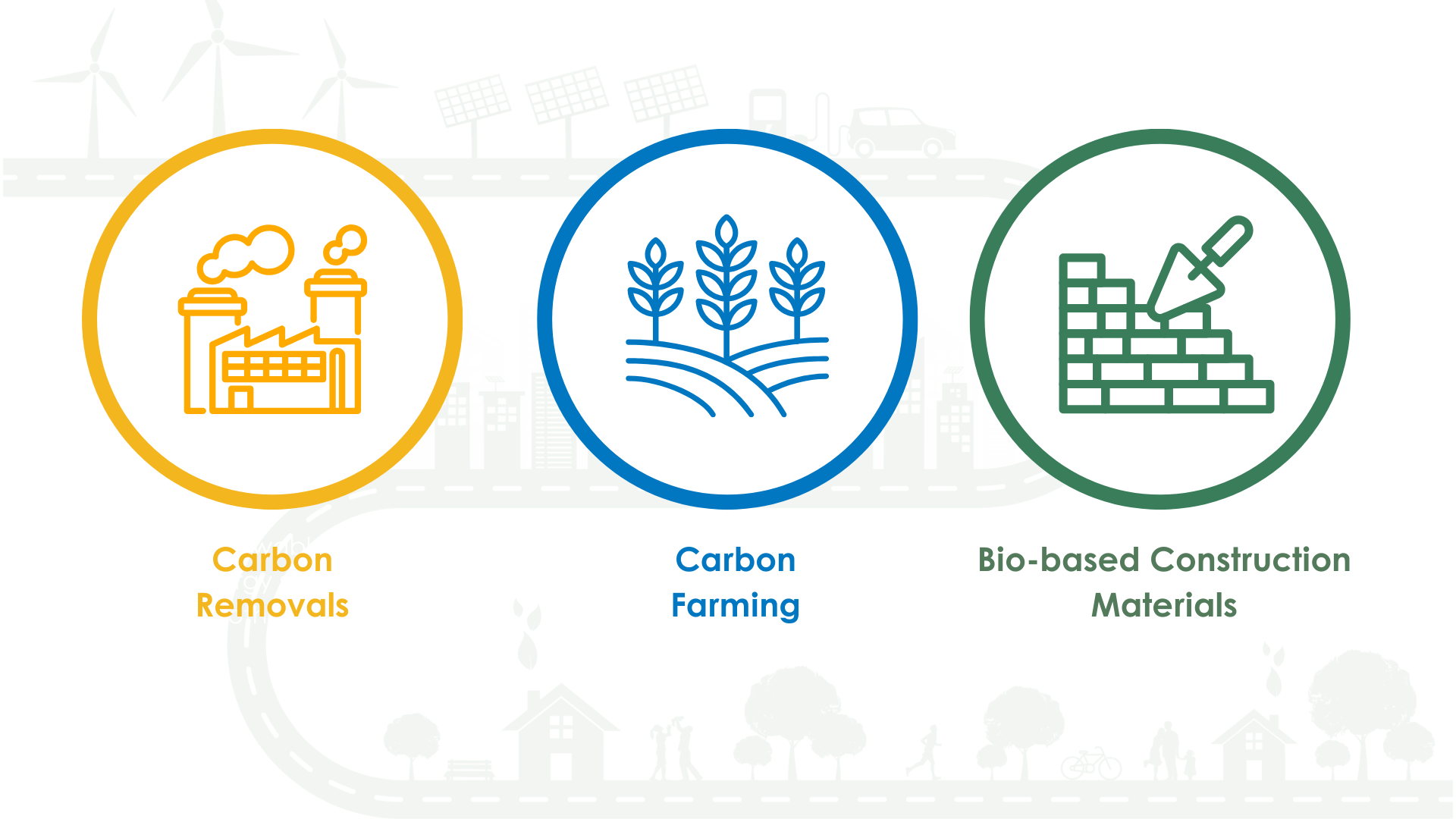
The CRCF framework covers a defined set of activities related to carbon removals and carbon farming, with a particular focus on solutions that can deliver measurable, durable, and verifiable climate impact. These activities span both nature-based and technology-driven carbon removal approaches, reflecting the diversity of pathways through which carbon dioxide can be removed from the atmosphere and stored over time in a non-atmospheric carbon sink.

Carbon farming is a bunch of nature-based activities that all rely on biological processes and are typically embedded in agricultural and forestry ecosystems. These approaches linking climate action directly to land use and ecosystem management primarily include carbon farming practices divided into three main groups of activities.

  1. Organic soil amendment practices. They are typically innovative, typically crop production activities such as soil carbon sequestration, cover cropping, no-till or low-till techniques. They belong mainly to the regenerative agricultural technologies to be implemented to measurably increase the organic carbon stocks in the soil over time without taking out the land from intensive agricultural use.
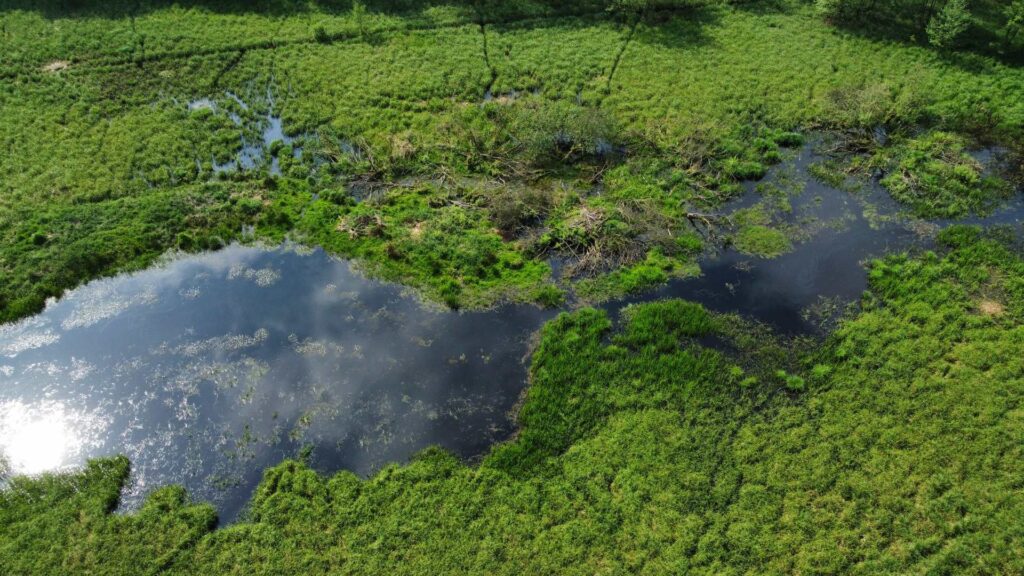
  2. Land use change. It is a process resulting in the underlying areas being removed from intensive agricultural use and reclassified based on ecological reasons. This includes restoring natural hydrology in degraded peatlands preventing peat oxidation and restoring wetlands that were previously drained due to intensive agriculture to their original state to halt soil carbon mineralization. Improved grassland management belongs here as a borderline area, which is a set of good practices aimed at improving root biomass and the carbon storage capacity of the soil with or without changing land use based on the original state and the host country’s local regulations. These changes also contribute significantly to biodiversity enhancement and desertification control.
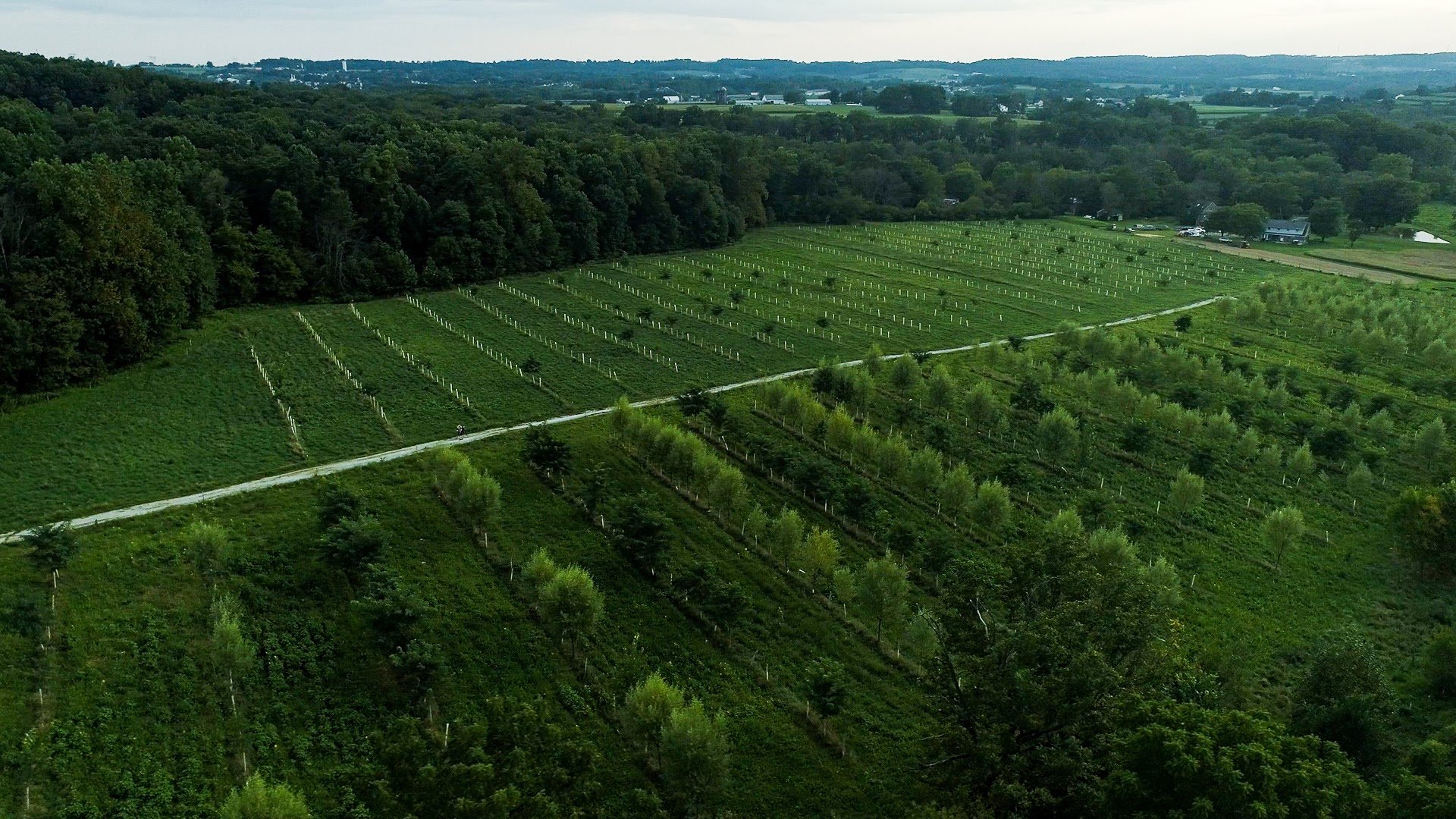
  3. Improved forestry. It covers a bunch of regenerative forestry approaches such as afforestation that refers to the planting of forests in areas where there were previously no forests, while reforestation refers to the restoration of forest cover in areas that were previously forested. Agroforestry also falls into this category, which involves planting trees, groups of trees, or small groves on agricultural plots or pastures to retain water and combat erosion. All of them accounted for carbon removals because they significantly contribute to the annual increase in biomass and soil carbon stocks relative to the baseline.


Looking to apply this in practice?

We help structure carbon credit strategies aligned with your business.  

BIOECONOMY STRATEGY

What does carbon capture and storage in durable products mean?

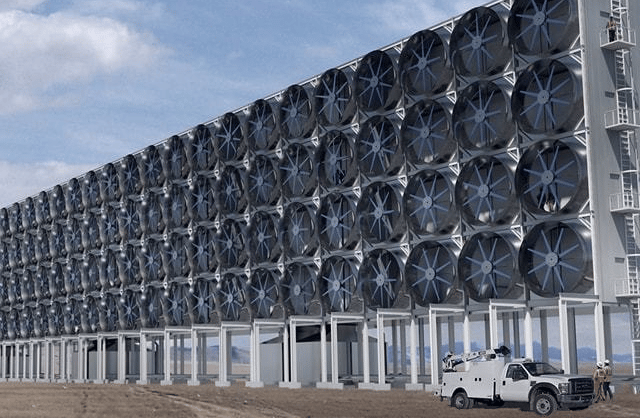
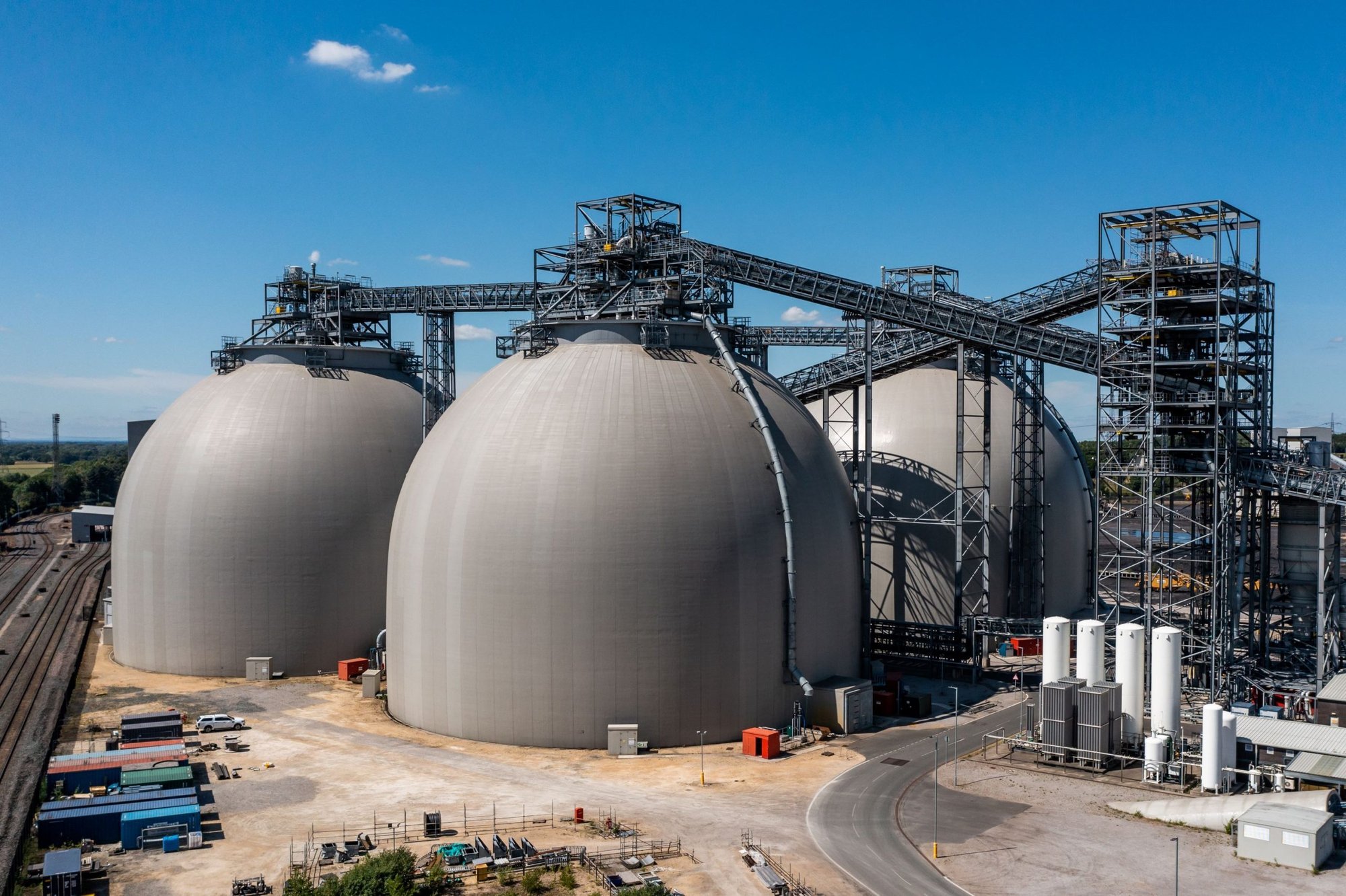
Besides carbon farming, the CRCF framework also encompasses technological carbon removal solutions such as Direct Air Capture with Carbon Capture and Storage, Bioenergy with Carbon Capture and Storage or Biochar projects. They all include processes where carbon dioxide is captured and stored in geological formations or durable products, aiming to ensure long-term or near-permanent storage.

A central element of the CRCF is its focus on the durability of carbon storage. The framework introduces clear distinctions between different storage time horizons, recognizing that not all carbon removals provide the same level of long-term climate benefit. This distinction is critical in the context of net-zero strategies, where the role of more permanent carbon removals is becoming increasingly important.

With the publication of the Bioeconomy strategy, the EU plans to shift the provision and production of food, biofuels, energy, and related services from a system dominated by fossil fuels to one based on renewable, primarily biological resources, thereby involving everything from agriculture and fishing to biotechnology in the fight against the use of fossil fuels. The measures cover several areas, through which the EU supports the launch of the carbon market. On the one hand, the EU is launching an EU Buyers' Club for companies that opt for offsetting to kick-start the credit buyer market. On the other hand, it is also creating an EU Carbon Farming Database to provide methodological assistance to carbon market project developers in setting baselines and effective monitoring. Finally, as a core of the strategy, it paves the way for the spread of building materials in the construction industry that store biogenic carbon dioxide mainly from biomass in the product for the long term.


Nature-based removals

Carbon is removed through biological processes and stored in soils and ecosystems over time. 

Technology-based removals

Carbon dioxide is captured using technology and stored in geological formations or in waters.  

Bio-based construction materials

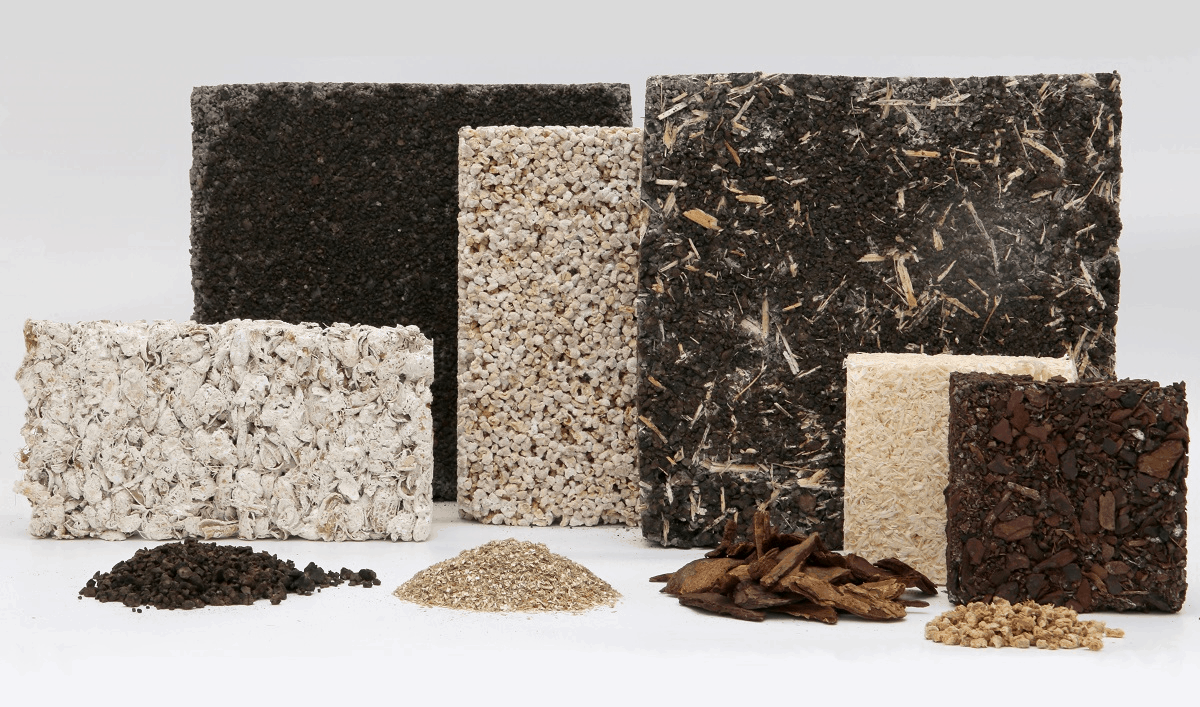
Bio-based construction materials: Carbon dioxide of biogenic origin (biomass) is captured and stored in building materials for at least 35 years. 

fleet electrification know-how
charge point operators know-how
OUR PROTECTED KNOW-HOWS

Explore our solutions

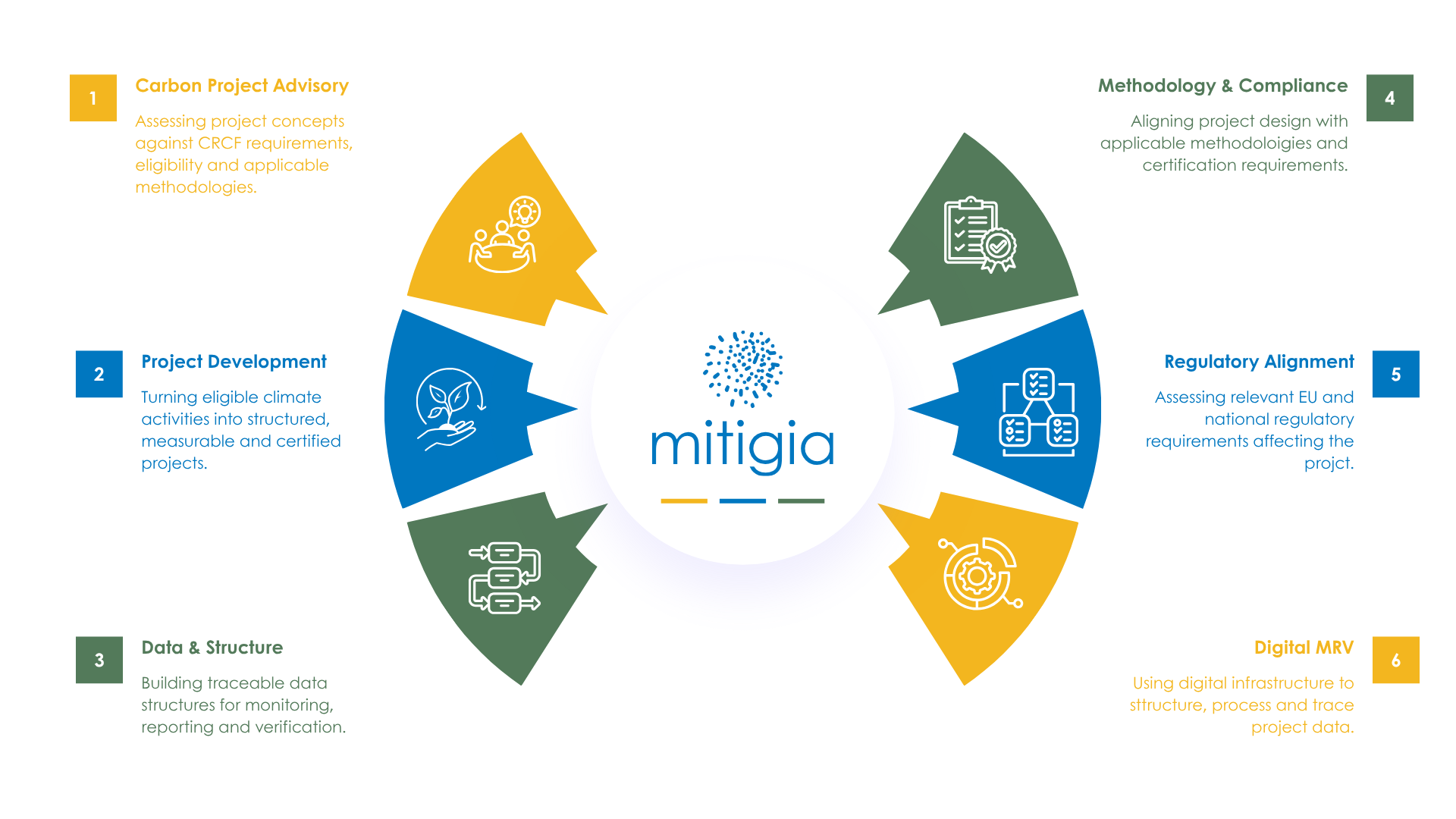
360° service for carbon credit generation, registry, and trading with mitigia’s third-party verified Digital MRV.

OUR PARTNERS

They are already benefiting from carbon credits generated by their green investments

THEY ARE ALREADY IMPROVING THEIR E-MOBILITY INVESTMENTS' ROI

Our Clients

Looking to understand how the CRCF applies to your activities?

 We help interpret evolving frameworks in a practical business context.

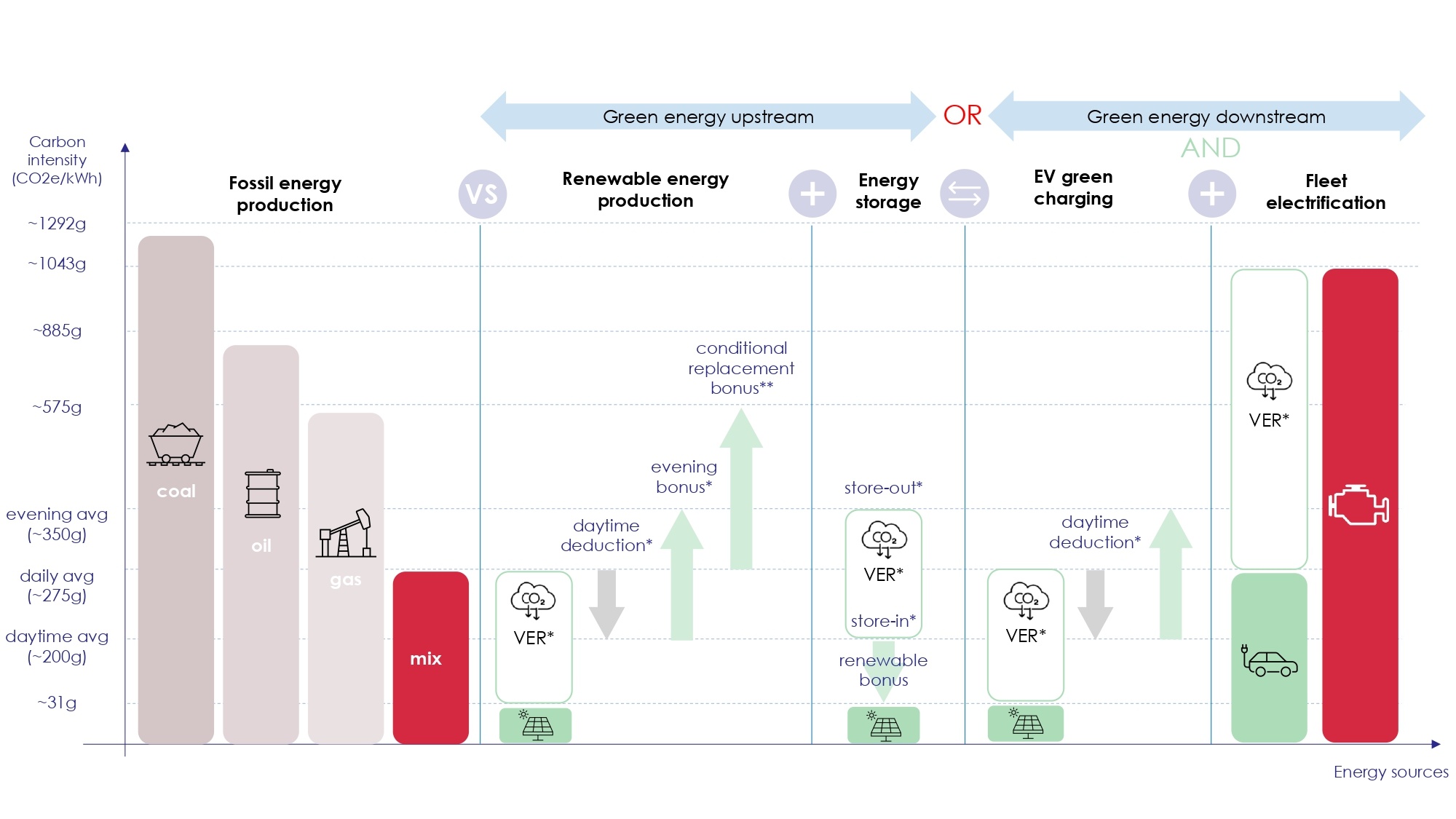
Four main obstacles hinder the spreading of electrification:

the renewable energy production challenge,
the energy storage challenge,
the charging challenge
and last, the EV challenge.


We target all of them with methodologies that built upon each-other.

kukacos auto-1
green charging station white icon
solar power-1
energy storage fehér ikon (1)
QUALITY ASSURANCE

How does CRCF define high-integrity projects?

The CRCF framework places a strong emphasis on ensuring that certified activities deliver high-integrity climate outcomes. This is achieved through a set of clearly defined criteria that address how carbon removals are quantified, monitored, and maintained over time.

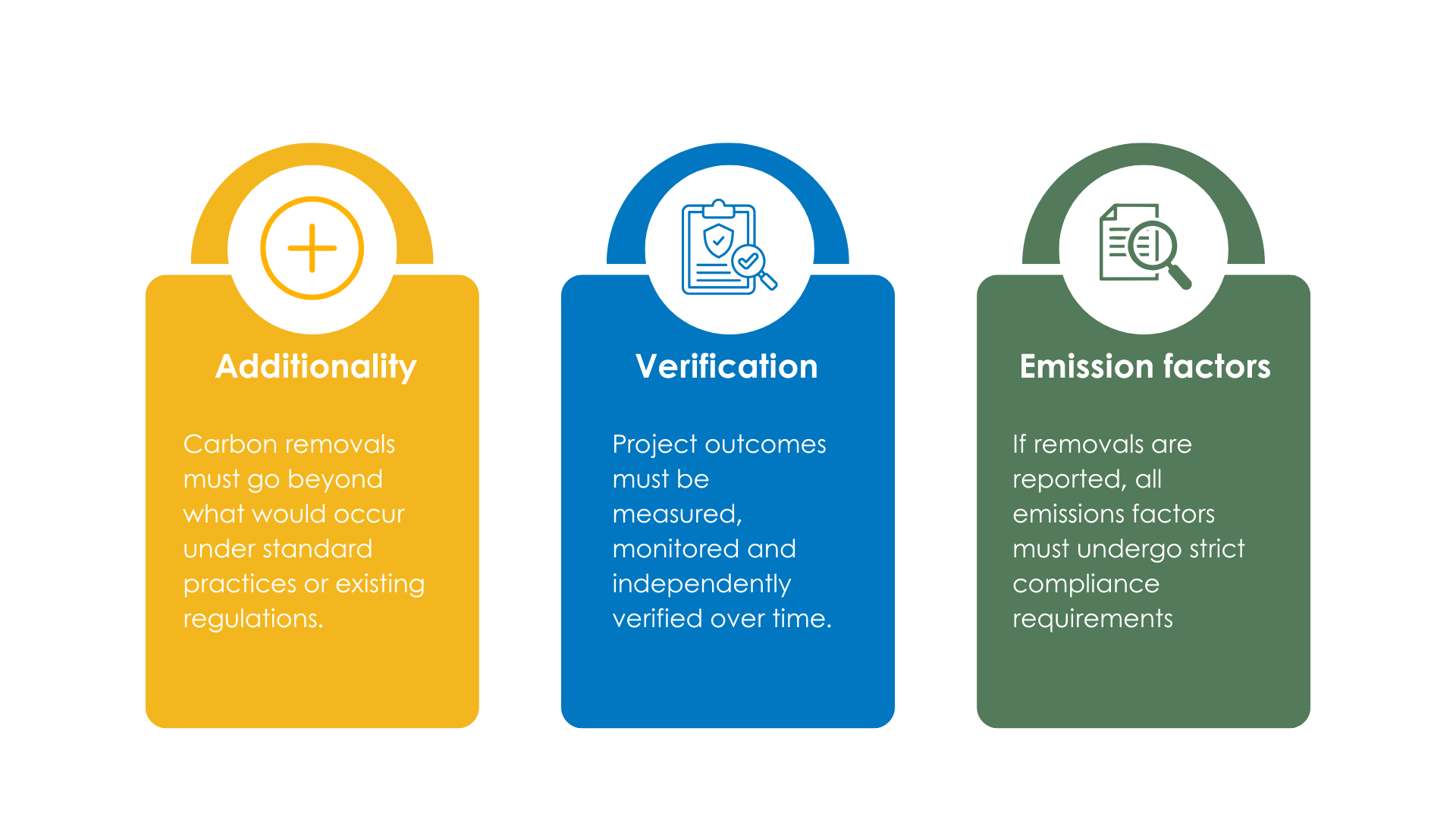
  1. Additionality is key. One of the central principles is additionality, requiring that certified activities deliver carbon removals beyond what would have occurred under standard practices or existing regulatory requirements. This ensures that the climate impact is not only measurable, but also genuinely incremental.
  2. MRV is required. The framework also introduces strict requirements for monitoring, reporting, and verification. Project outcomes must be tracked over time using consistent methodologies, allowing for transparent and comparable assessment of performance. This is complemented by independent verification processes delivered by a Validation & Verification Body accredited by the EU, which provide assurance that reported results accurately reflect the underlying activities.
  3. Emission factors are critical. All emission factors must be spatially defined closest to the Land Management Unit; no global averages fit the methodology anymore. Full GHG footprint calculation is required, meaning biomass-only, CO₂-only emission factors are insufficient. Allocation is no longer a modelling choice; it has become a consistency requirement. Biogenic CO₂ emission factors are required to use; if the biogenic emission factor isn’t there, the emissions do not disappear, they are just simply missing from the calculation. Finally, all emission factors must meet measurement-grade evidence thresholds. If removals are reported, carbon stock changes must be empirically supported; underlying data must be periodically re-measured or recalibrated at least every 5 years, and representativeness across variability must be demonstrated.

Taken together, these elements define a more rigorous approach to carbon project quality. Rather than relying on broad claims, the CRCF establishes a framework in which climate impact must be demonstrable, traceable, and maintained over time.

quality assurance

Wondering whether your projects fall within th CRCF scope?

We asses project types against emerging European certification requirements.

MARKET IMPLICATIONS

What does it mean for the credit buyers?

The introduction of the CRCF framework represents a significant step toward a more structured carbon market environment in Europe. By establishing clearer definitions and quality requirements for carbon removals, it reduces fragmentation and improves consistency in how climate impact is assessed across different project types and regions.

At market level, this points toward a growing role for high-integrity carbon removal solutions. As expectations around transparency, durability and verification continue to increase, projects that meet these stricter criteria are expected to become more prominent within future carbon credit supply. In parallel, the distinction between different types of climate activities, particularly between emission reductions and carbon removals, is becoming more clearly defined.

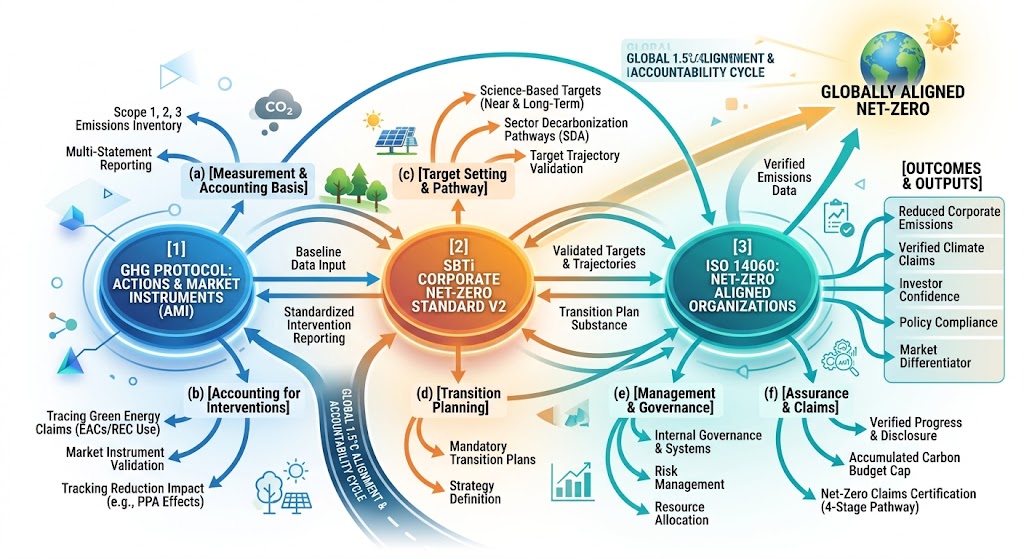
From a corporate perspective, the implications are also significant. Companies are operating in an environment where climate commitments are increasingly scrutinized by investors, regulators, and other stakeholders. In this context, the credibility of climate strategies depends not only on own emission reduction efforts, but also on how residual emissions are addressed by implementing offsetting or insetting solutions. Carbon removals that align with emerging frameworks such as the CRCF are therefore becoming an important component of long-term auditable net-zero strategies for corporates following Science Based target initiatives (SBTi) or similar decarbonization schemes.

More broadly, the CRCF reflects a transition from a largely voluntary and flexible market toward a more structured ecosystem, including compliance requirements. Alignment with recognized standards and the future integration to the EU ETS Regulation is expected to play an increasing role in both project development and corporate demand, influencing how climate action is implemented and evaluated in the coming years.

Our methodologies complement each other

...and cover the whole of the electrification ecosystem from renewable energy production to fleet electrification projects.

The four mitigia methods complement each other

MONETIZE YOUR EMISSIONS REDUCTIONS

What is a carbon credit?

mitigia | what is a carbon credit?
CARBON GAIN

When you replace a CO2 intense technology with a more climate friendly or even a net zero one, you "spare" CO2 emissions. Thus, you, as an economic entity, realise a so called carbon gain. By comparing the two technologies, the volume of this carbon gain can be precisely measured, verified and reported, and exchanged into Verified Emission Reduction (VER) or Voluntary Carbon Unit (VCU).  

LARGE EMITTERS

What appears as a „spared" or "negative emission” on the green investors' side is sought after by net emitters whose emission volumes exceed the regulatory limits (and cannot avoid or reduce by themselves). These emitters either pay a penalty fee or buy carbon credits in exchange for their emissions. By choosing the second option they turn their ESG obligations into an opportunity to invest in green investments.

OUR SOLUTION

mitigia helps green investors originate and register carbon credits based on their electrification investments, and sell such carbon credits to large emitters.

Our know-how is compliant with the requirements of the VCM, thus the carbon credits originated through mitigia’s methodology qualify as high integrity carbon credits.

These credits represent a higher quality for the buyers, who are willing to pay a higher price for the reliability and transparency of the underlying projects the credits were originated from.

THEY HELP US WITH THEIR UNIQUE EXPERTISE

Our Partners