



mitigia | professional advisory, project development & sourcing solutions for companies navigating the carbon market

Your one-stop-shop for carbon credit generation & trading.

Your investment. Our know-how. Start generating carbon credits today.

Convenient, 360°carbon credit generation service.

Carbon market solutions for companies ready to move beyond promises


Mitigia supports companies with advisory services, project development, offsetting and insetting strategies across evolving carbon markets.


carbon value chain-2

what we offer

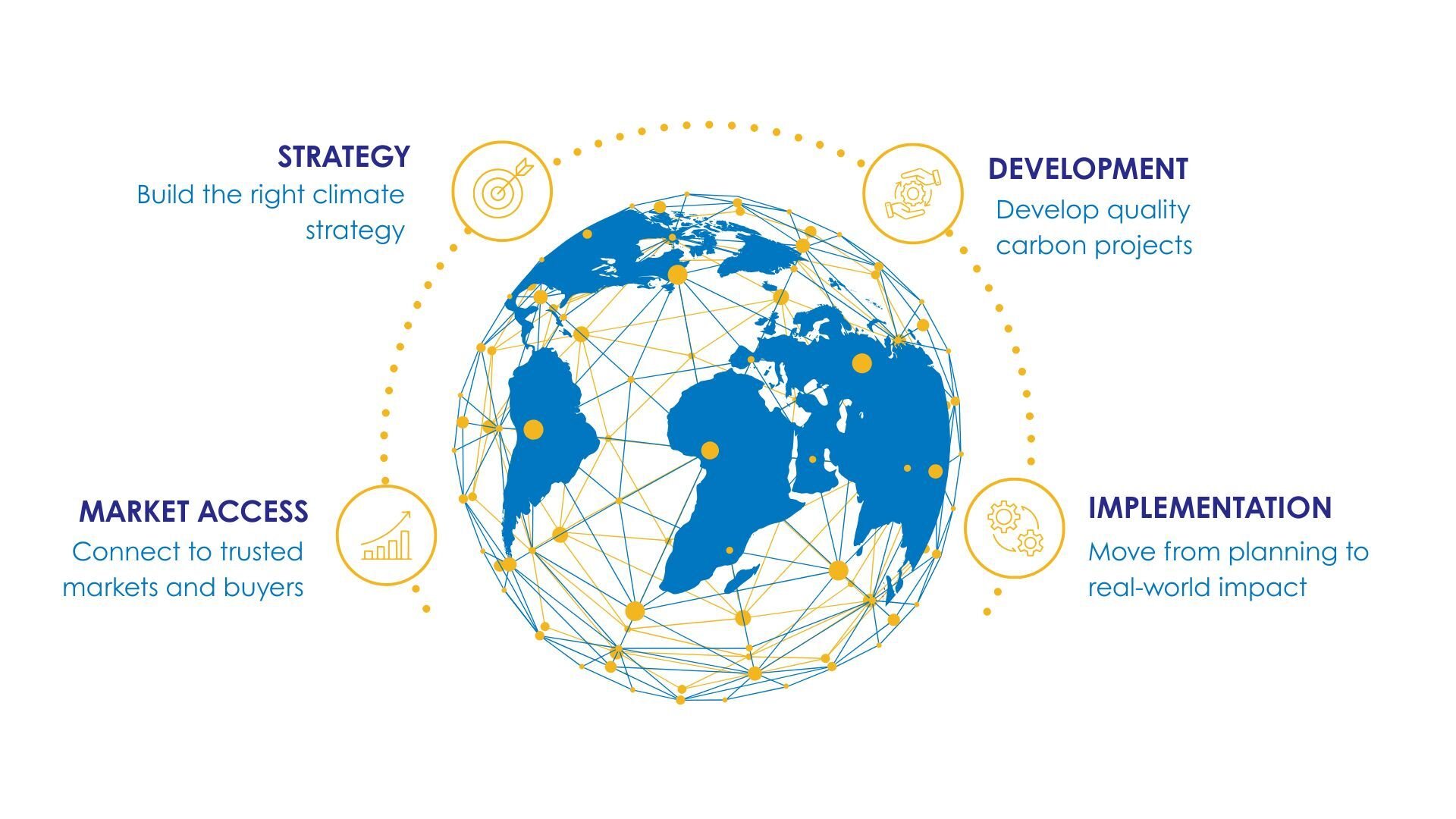
Solution across the carbon value chain

Integrated services that turn climate actions into measureble impact.
  • Advisory Services
    Navigate strategy, standards and market oppurtunities

  • Project Development
    Turn eligible climate actions into market-ready projects

  • Offsetting
    Source credible carbon credits aligned with climate goals

  • Insetting
    Reduce emissions within your own value chain

fleet electrification know-how
charge point operators know-how
OUR PROTECTED KNOW-HOWS

Explore our solutions

360° service for carbon credit generation, registry, and trading with mitigia’s third-party verified Digital MRV.

OUR PARTNERS

They are already benefiting from carbon credits generated by their green investments

THEY ARE ALREADY IMPROVING THEIR E-MOBILITY INVESTMENTS' ROI

Our Clients

TRACKING OUR IMPACT

0
tCO2e emissions avoided
0
Carbon credits generated
0
Available for offsetting
0 +
Projects

who we work with

Climate solutions for every side of the market

We work with companies looking to reduce emissions, generate carbon credits, secure long-term supply or invest in scalable climate projects. Each solution is tailored to real operational and market needs.


Strategic Buyers
 For organizations seeking reliable carbon credit sourcing, Scope 3 reduction solutions, and long-term climate strategy alignment. 
 
 
Project Owners
 For organizations looking to develop carbon projects, generate verified credits, and monetize climate investments. 
 

why mitigia
From carbon strategy to measurable impact


We combine verified methodologies, digital MRV and real project execution to turn emission reductions into auditable climate value.


carbon market expertise-1
Carbon market expertise

Deep understanding of how carbon credits are generated, verified, and traded across markets. 

verified methodologies-1
Verified methodologies

Robust methodologies and digital MRV systems ensure measurable and auditable impact. 

eu crcf
European Union CRCF readiness

Solutions aligned with emerging EU carbon removal and certification frameworks.

from strategy to execution-1
From strategy to execution

We connect corporate strategy with real project development and delivery.

Discuss your use case with us!

No commitment, just clarity.

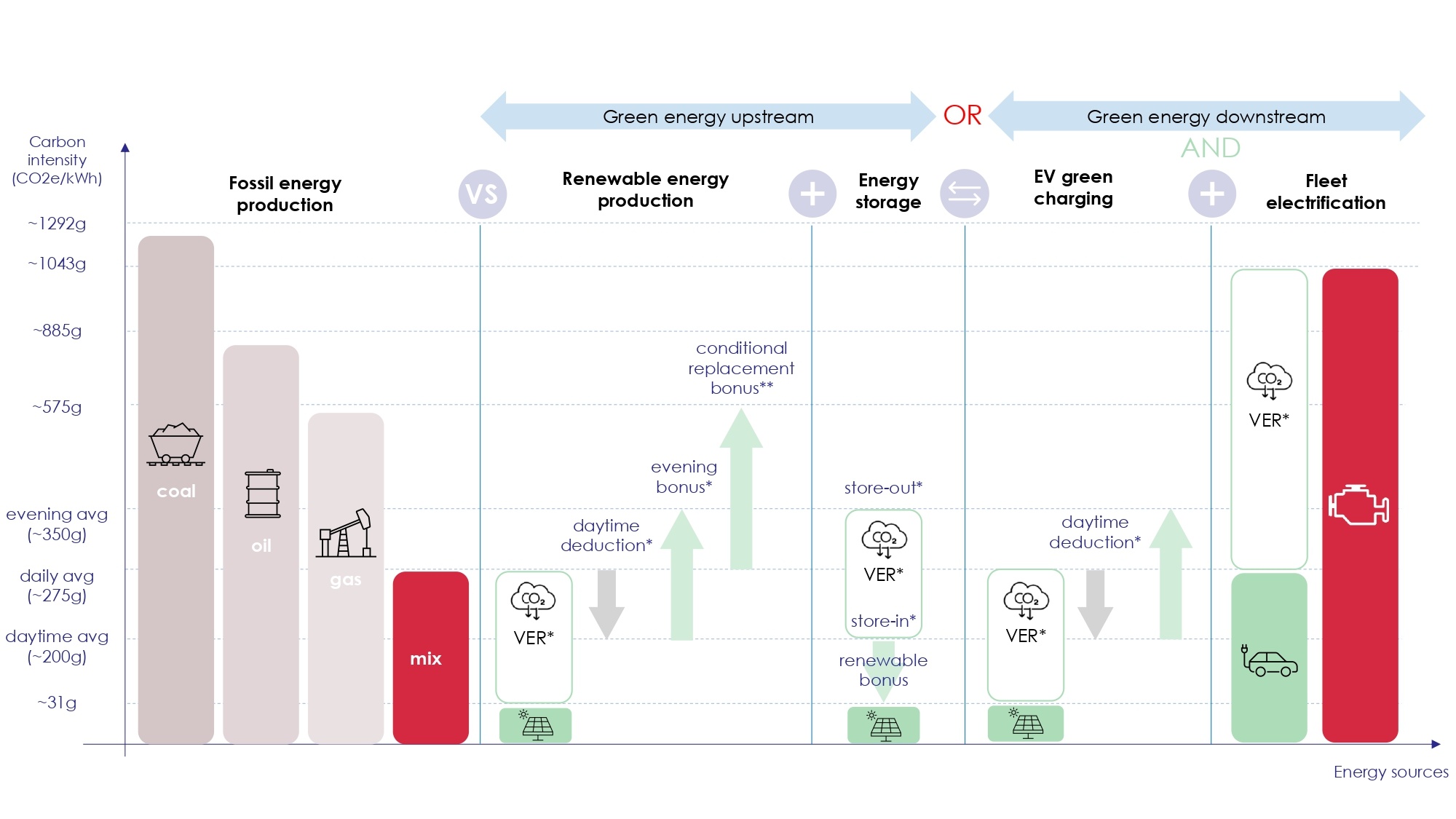
Four main obstacles hinder the spreading of electrification:

the renewable energy production challenge,
the energy storage challenge,
the charging challenge
and last, the EV challenge.


We target all of them with methodologies that built upon each-other.

kukacos auto-1
green charging station white icon
solar power-1
energy storage fehér ikon (1)

Our methodologies complement each other

...and cover the whole of the electrification ecosystem from renewable energy production to fleet electrification projects.

The four mitigia methods complement each other

MONETIZE YOUR EMISSIONS REDUCTIONS

What is a carbon credit?

mitigia | what is a carbon credit?
CARBON GAIN

When you replace a CO2 intense technology with a more climate friendly or even a net zero one, you "spare" CO2 emissions. Thus, you, as an economic entity, realise a so called carbon gain. By comparing the two technologies, the volume of this carbon gain can be precisely measured, verified and reported, and exchanged into Verified Emission Reduction (VER) or Voluntary Carbon Unit (VCU).  

LARGE EMITTERS

What appears as a „spared" or "negative emission” on the green investors' side is sought after by net emitters whose emission volumes exceed the regulatory limits (and cannot avoid or reduce by themselves). These emitters either pay a penalty fee or buy carbon credits in exchange for their emissions. By choosing the second option they turn their ESG obligations into an opportunity to invest in green investments.

OUR SOLUTION

mitigia helps green investors originate and register carbon credits based on their electrification investments, and sell such carbon credits to large emitters.

Our know-how is compliant with the requirements of the VCM, thus the carbon credits originated through mitigia’s methodology qualify as high integrity carbon credits.

These credits represent a higher quality for the buyers, who are willing to pay a higher price for the reliability and transparency of the underlying projects the credits were originated from.

THEY HELP US WITH THEIR UNIQUE EXPERTISE

Our Partners

FAQ

What is the most effective way to reduce Scope 3 emissions?

The most effective way to reduce Scope 3 emissions is to combine supplier engagement, operational changes, and insetting within the value chain.

Scope 3 emissions often make up the majority of a company’s footprint. Real reduction requires working directly with suppliers and integrating carbon into procurement and sourcing decisions.

Read more 


What is the difference between insetting and offsetting?

Insetting reduces emissions within a company’s own value chain, while offsetting compensates emissions outside of it. It focuses on direct operational impact, such as improving supplier practices or material sourcing.

Read more

Offsetting is typically used to address residual emissions that cannot be reduced in the short term.

Read more

What makes a quality carbon credit?

A quality carbon credit is additional, measurable, verified, and free from double counting. It should follow a recognized methodology, be independently verified, and have clear traceability. Strong legal structure and transparent data are also key indicators of quality.

How much do carbon credits cost?

Carbon credit prices typically range from $1 to over $100 per ton, depending on project type and quality.

Nature-based and avoidance projects tend to be lower priced, while high-integrity removal projects command a premium. Price alone does not guarantee quality, so verification and traceability are critical.

How can companies avoid low-quality carbon credits?

Companies can avoid low-quality carbon credits by selecting verified projects with transparent data and strong legal structure.

This includes third-party verification, clear methodologies, and safeguards against double counting. Working with experienced providers also reduces risk.

Can my project generate carbon credits?

A project can generate carbon credits if it delivers additional, measurable, and verifiable emission reductions.

Eligibility depends on factors such as baseline definition, methodology fit, and monitoring capability. A feasibility assessment is typically required before development.

How long does it take to develop a carbon credit project?

Developing a carbon credit project typically takes 3 to 24 months before credits can be issued.

This includes feasibility, methodology selection, validation, implementation, and verification. Timelines can vary depending on project type and data availability.

What is MRV in carbon markets?

MRV stands for Monitoring, Reporting, and Verification, and it is the process used to measure and validate emission reductions.

It ensures that carbon credits are based on real, measurable outcomes. Strong MRV systems improve data quality, transparency, and credibility.

What is the EU CRCF framework?

The EU CRCF (Carbon Removal Certification Framework) is a regulatory initiative to standardize how carbon removals are measured and certified in Europe.

It aims to increase transparency, credibility, and comparability of carbon removal projects. Companies need to align early as the framework evolves.

Are carbon credits a real solution or just compensation?

Carbon credits are a valid tool when used to complement emission reduction, not replace it.

They are most effective for addressing residual emissions while companies work on reducing their footprint. High-quality credits with verified impact are essential for credibility.